
Electronics & accessories
email marketing
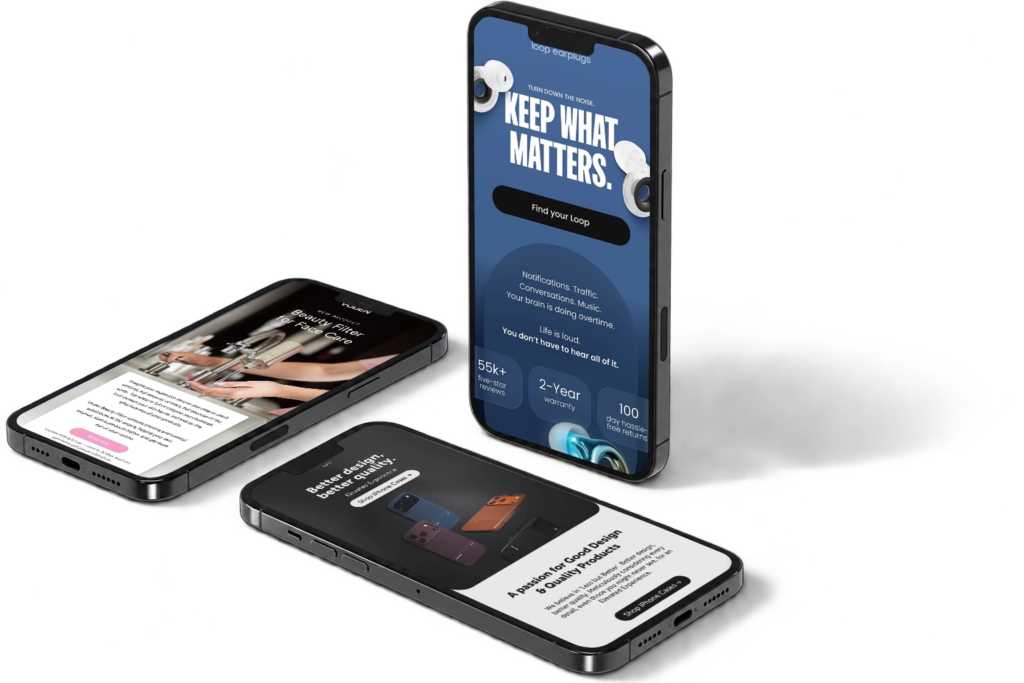
Turn purchase uncertainty into product confidence with setup guidance, compatible recommendations, and support that keeps customers connected.









your biggest
challenges
COMPATIBILITY BLOCKS CONVERSION
Compatibility uncertainty can block an otherwise ready buyer. Device models, ports, and existing setups affect suitability. Missing details can cause abandonment before purchase or returns after delivery.
SETUP FRICTION CREATES REGRET
The first setup can turn excitement into frustration. Confusing pairing or installation leaves the product unused and creates support demand. A poor start can reduce confidence in the brand.
UPGRADE CYCLES ARE LONG
Replacement demand can be years away. Customers do not need a new device every few weeks. Treating ownership as a short refill cycle can waste attention and misread customer lifetime value.
ACCESSORIES MISS THE ACTUAL NEED
An irrelevant accessory creates another compatibility problem. The buyer may already own it, or it may not work with the purchased device. A mistaken recommendation can produce returns rather than a lasting second purchase.
We Solved
This Before
Our published Electronics & Accessories portfolio averages include +33% conversion rate, +29% average order value, and +42% customer lifetime value. These are the category averages published in our industry overview.
Our work connects product-selection guidance, setup support, and relevant accessory recommendations. The first purchase should lead to successful use, and the next recommendation should fit the product the customer owns. The portfolio figures describe the wider category work; a template or product campaign shows one communication touchpoint, rather than the performance of the whole ownership journey.
our Process
Research & Discovery
Find where compatibility and setup create friction.
We compare catalog compatibility, purchased devices, accessory orders, support tickets, and return reasons. Product-family relationships are checked for reliability before they are treated as recommendation data.
The audit establishes baseline accessory conversion and identifies where model information or setup content is missing. Its output separates data corrections, support requirements, and testable journey opportunities so implementation addresses the right layer. See our email marketing service for the delivery scope.
Activities
Device & Compatibility Review
Product Ownership Data Audit
Setup & Support Content
Accessory Purchase Analysis
Return Reason Review
Upgrade Cycle Analysis
Deliverability & Data Audit
Outputs
A view of which compatibility questions delay or prevent orders.
Identified gaps in setup instructions and support access.
Usable ownership and device data for relevant recommendations.
A roadmap for successful product use and useful next purchases.
Customer Journey Workshops
Follow the product from research to successful use.
We follow a known device purchase, an unknown model, a setup failure, and a later accessory need. Each scenario defines whether the next action is an instruction, a model selector, a support handoff, or a product recommendation.
The workshop assigns ownership of compatibility records and establishes when a problem suspends promotional follow-up. The resulting decision map lets the team validate a working ownership path before any journey is activated.
Activities
Research-to-Purchase Mapping
Compatibility Confidence Review
Delivery & Setup Journey
Troubleshooting Handoffs
Owned-Device Accessory Paths
Care & Upgrade Journey
Outputs
Mapped guidance from compatibility research through successful setup.
Clear routes for troubleshooting, service, and warranty questions.
A plan for accessories that fit the customer's actual purchase.
Defined care and upgrade moments based on product life cycles.
Implementation & Execution
Build follow-up for the exact product purchased.
Delivery-aware onboarding can provide a quick-start guide, pairing steps, and a direct support route. Accessory recommendations use a verified device-to-product match and exclude items already purchased. Where the device model is unknown, a selector or support link helps establish compatibility. Upgrade campaigns follow meaningful product changes and realistic ownership periods.
We test instructions, recommendation eligibility, and support links across the main device journeys before launch. Campaigns use the same product relationships, so customers get consistent information whether they arrive through onboarding, a browse follow-up, or an accessory email.
Activities
Device Preference Capture
Delivery-Aware Setup Flows
Product Support Guidance
Verified Accessory Recommendations
Ownership-Based Exclusions
Product Cohort Tracking
Outputs
Product-specific setup and support communication.
Accessory journeys tied to a verified compatibility catalog.
Exclusions for incompatible or already owned products.
A baseline for accessory orders, feedback, and repeat margin.
Continuous Optimization
Evaluate support and repeat sales together.
We test setup instructions against common support questions and return reasons, then compare accessory recommendations by owned device. Compatible repeat purchases and margin show where the ownership journey can become more useful.
We also review results over ownership periods that fit the category. A customer keeping a reliable device may still value care and support; the next test should focus on a useful addition or genuine upgrade need.
Activities
Setup Message Tests
Compatibility Segment Checks
Accessory Relevance Experiments
Support Feedback Review
Upgrade Window Analysis
Margin & Revenue Tracking
Outputs
Evidence on setup messages and relevant next-product offers.
Identified compatibility-data and support gaps to fix.
Clear decisions on ownership segments and upgrade timing.
A test plan based on useful orders and customer experience.
ELECTRONICS & ACCESSORIES
CUSTOMER LIFECYCLE MAP
Compatibility is the entry condition, successful setup is the first ownership milestone, and a working product is the basis for another recommendation. A support issue interrupts that progression. Once resolved, compatible accessories and a genuinely useful upgrade follow their own timing rather than a consumable reorder schedule.
Explore cart recovery for compatibility and setup questions before checkout.
BEEN THERE DONE THAT
Why should
you care?
A successful first setup creates the opportunity for a profitable accessory sale.
What commercial progress looks like
F1-to-F2 conversion
The next compatible accessory or meaningful upgrade.
Purchase frequency
Orders within the device ownership cycle.
Customer lifetime value
Value across device, accessory, and upgrade purchases.
Contribution margin
Net accessory value after fulfillment and compatibility returns.
An electronics sale can create a valuable customer without creating a near-term replacement need. The business earns more from that relationship when the first product works well and the customer returns for a suitable accessory, part, or later upgrade.
That makes accessory-led F1-to-F2 conversion different from device replacement. Purchase frequency and customer lifetime value need a realistic ownership window. Return reasons and support demand help explain whether the next order extends the relationship or simply creates another compatibility issue.
An accessory sale has to survive the return and fulfillment costs. Contribution margin provides a clearer view than gross repeat revenue alone. Product-specific onboarding and connected lifecycle flows can support the original setup and the next compatible purchase, giving the customer a reason to trust another recommendation.
What commercial progress looks like
F1-to-F2 conversion
The next compatible accessory or meaningful upgrade.
Purchase frequency
Orders within the device ownership cycle.
Customer lifetime value
Value across device, accessory, and upgrade purchases.
Contribution margin
Net accessory value after fulfillment and compatibility returns.
ECOMMERCE
CLIENT RESULTS
We measure repeat purchase rate, conversion from the first order to the second, customer lifetime value, purchase frequency, and contribution margin. Our client reporting connects those business outcomes with campaign and lifecycle-flow performance, rather than judging success by opens or clicks alone.
Who this is/ISN’t for
Electronics and accessory brands are a strong fit when reliable compatibility data and a successful ownership experience support repeat buying.
STRONG FIT
1. BRANDS WITH A PROVEN ACQUISITION ENGINE
You have customers buying defined devices or accessories and a dependable acquisition path. Order history and product relationships give us a basis for recommending items that work with what customers own.
2. WILLING TO IMPROVE THE FULL FUNNEL
You are ready to improve compatibility details, setup instructions, troubleshooting, and support handoffs alongside email. Those answers need to be accurate wherever the customer looks for help.
3. TEAMS THAT KEEP CHALLENGING THEMSELVES
Your team can maintain device-to-product matches and review support and return feedback. We can test setup content and recommendations against compatible purchases and realistic upgrade intervals.
NOT A FIT
1. RETENTION BEFORE ACQUISITION
If buyers are not consistently finding a useful core product, acquisition and product fit need work first. Follow-up emails cannot compensate for equipment that fails to meet the intended need.
2. SET-AND-FORGET MENTALITY
Device models, software instructions, and accessories change. A fixed flow without catalog and content maintenance can send customers outdated setup steps or unsuitable recommendations.
3. COMFORT OVER PROGRESS
If compatibility cannot be verified or incompatible offers cannot be excluded, we cannot build dependable product journeys. The data and ownership experience must be open to improvement.
Before working with Retention Side, most of our growth came from paid ads. When ads were performing, things looked good. When they weren’t, cash flow got tight pretty quickly. Over the past months, our repeat customer rate moved close to 40%, and that changed how the business feels. Revenue is still seasonal, but it’s far less stressful.

Founder · Beauty & Skincare
Nevena Komazec
Frequently Asked Questions
How do you prevent incompatible accessory recommendations?
Use a verified product-to-device relationship. For example, a case recommendation must match the purchased phone model, not simply the customer’s interest in phones. Exclude items already purchased and provide a selector or support route when the model is unknown. The customer’s last order supplies evidence; it does not justify guessing the rest of the setup.
What belongs in an electronics post-purchase flow?
Relevant delivery and setup guidance, access to troubleshooting, product care, and warranty or service information. Use approved product instructions and time messages to actual delivery or setup events where the integration supports them.
How do you encourage repeat purchases when devices last for years?
Support ownership first. The next order may be a compatible accessory or equipment for a new use case. Upgrade communication should follow a genuine product or customer need rather than a fixed short replacement schedule.
Can email help reduce setup-related purchase regret?
It can make verified setup instructions and help easier to find at the right moment. Review support questions, return reasons, and customer feedback to identify missing guidance, then test whether clearer communication improves the experience.
Which metrics matter for electronics retention?
Track compatible accessory purchases, next-order behavior by owned product, customer feedback, support friction, returns where measurable, and margin. Use realistic upgrade windows when evaluating durable-device cohorts.
Build your next stage of
customer growth.
Build your next stage of
customer growth.
Bring your customer journey, account data, and commercial goals. We’ll identify the retention opportunities that fit your products and buying cycle.