

Ready to use Strategies every Thursday

Top 1% eCommerce Retention Agency

Retention
Side

Email Marketing
for eCom brands

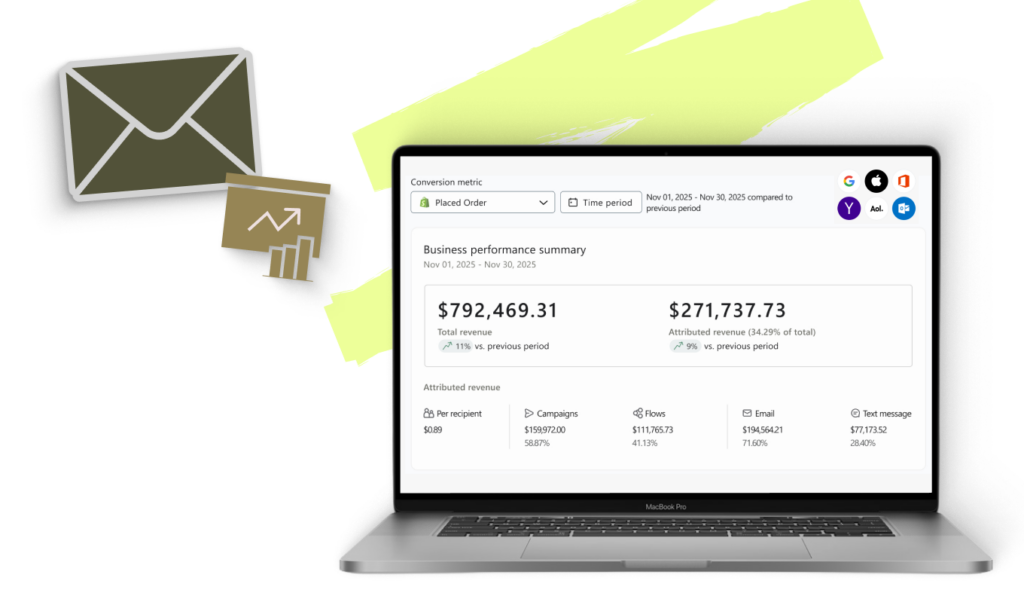
Still the most profitable channel for eCommerce brands, driving repeat purchases at the lowest cost.

Email Marketing Service for eCommerce Brands - Retention Side

Why is this
important

Ads Optimization

Just 1-3% are ready to buy now. Convert others through email instead of paying to get them back again.

Constant Presence

Direct and precise communication with your audience, keeping your brand present at the right moment, without relying on algorithms.

Customer Education

Email campaigns act as mini landing pages, giving you full control over how you educate, build trust, and guide customers toward a purchase.

Retention & Repeat

Email is the most effective channel for increasing returning customer rate, leveraging existing attention instead of constant re-acquisition.

Ownership & Predictablity

Unlike paid channels, your email list is a channel you own, allowing for stable, measurable, and predictable revenue growth.

RETENTION SIDE
ACHIEVEMENTS

100+ Brands Supported

We have worked with more than 100 partners across different eCommerce verticals, giving us a clear understanding of the main pain points in each category. That experience helps us create strategies that are not based on templates, but on what actually brings results.


10+ Services

Retention Side has a deep understanding across all retention marketing channels in eCom.


View All Services →


18 Months

We do not lock clients into long-term contracts. Our current average client lifetime is around 18 months across more than 100 accounts.


$30M Generated Revenue

Our work has helped clients turn email into one of their top 3 revenue channels through better flows, recovered carts, smarter sales-driven and educational campaigns, improved segmentation, and more intentional customer journeys.


5.000+ Emails Aired

We have created more than 5,000 emails built to make subscribers read, engage, click, and buy. Every email starts with research into the theme, goal, customer need, and level of awareness, so we can speak their language and connect with what actually makes them care.


HOW RETENTION SIDE
COMPARES TO A STANDARD EMAIL AGENCY

Retention Side Logo

1. HOW WE MEASURE SUCCESS

We measure success by the metrics that create financial outcomes for our partners. How many new subscribers become buyers, how many first-time customers purchase again, and how often the same customer returns. Every metric we optimise for requires someone to spend money, not just open or click an email.

2. HOW WE ONBOARD PARTNERS

Our onboarding is built around detailed questionnaires and
strategic workshops. We use them to understand business goals, brand positioning, customer behaviour, and why people drop off in the journey. Those insights help us create email communications that drive email revenue and support every other marketing channel.

3. OUR APPROACH TO CUSTOMER JOURNEY RESEARCH

We map the customer journey around each brand, then break down every step to understand why someone moves forward or drops off. We analyse behaviour, run surveys, speak with customer support, and look for patterns. What we learn can improve email, but also offers, landing pages, ads, product education, and retention.

4. OUR RETENTION EXPERTISE

It turns anonymous traffic into identifiable customers by capturing intent and creating clear, usable customer profiles. It turns anonymous traffic into identifiable customers by capturing intent and creating clear, usable customer profiles. It turns anonymous traffic into identifiable customers by capturing intent and creating clear, usable customer profiles.

5. OUR DESIGN AND CONTENT PROCESS

Retention Side is focused on everything that happens after the first purchase, so brands can get more value from the money they spend on acquisition. Email is only the tip of the iceberg. We connect it with SMS, direct mail, loyalty, subscriptions, and other retention channels that help customers come back again.

STANDARD AGENCY

1. HOW WE MEASURE SUCCESS

Standard agencies often measure account health instead of business growth. Open rate, click rate, and email revenue share can look strong while profit stays flat. You can have 100% opens and clicks and still make $0. Chasing a generic “30% from email” target ignores what actually improves retention and LTV.

2. HOW STANDARD AGENCIES ONBOARD CLIENTS

Standard agencies usually follow one of two paths. They either brag about creating three flows, two campaigns, and a popup in the first week, or spend the whole first month buried in research. The first sounds like template work without enough context. The second sounds like a slow and expensive way to waste time, resources, and money.

3. THEIR EMAIL AUTOMATION APPROACH

Standard agencies usually work from templates built around a one-size-fits-all journey. Most changes happen in design, not strategy. They try to create eye-catching emails without understanding the real problem the subscriber has at that exact moment, which means the automation looks good but often fails to move people forward.

4. LIMITED TO EMAIL & SMS

It turns anonymous traffic into identifiable customers by capturing intent and creating clear, usable customer profiles. It turns anonymous traffic into identifiable customers by capturing intent and creating clear, usable customer profiles. It turns anonymous traffic into identifiable customers by capturing intent and creating clear, usable customer profiles.

5. THEIR DESIGN AND CONTENT PROCESS

Most agencies focus only on email, or email and SMS at best. Even when they offer more channels, they rarely go deep enough to solve the problems that make those channels work. Others add email as a side service to increase agency profit, while their real expertise stays in paid advertising.

PROUD WORK
EMAIL DESIGN

What we can
Help With

We start by reviewing the full email account, not just the obvious surface-level numbers. We look at previous campaigns, existing flows, segmentation, forms, deliverability, offer structure, customer journey gaps, and the way email currently supports or fails to support the rest of the business.

The goal is to understand what has already been tested, what is working, what is underperforming, and where the biggest missed opportunities are. We do not treat every account the same, because two brands can have same product and share the same market but have completely different audience.

From there, we define the highest-impact priorities for the first three months. That usually includes what needs to be fixed first, which flows should be rebuilt, which campaigns need stronger strategy, where segmentation is weak, and where the brand is losing customers after the first purchase.

The audit gives both sides a clear roadmap before execution starts. Instead of guessing what should be done next, we know where the account stands, what needs attention immediately, and which changes are most likely to improve email revenue, retention, and customer lifetime value.

Deliverability is the technical foundation of a successful email marketing channel. If emails do not reach the right place, every other effort becomes less effective. Strategy, copy, design, segmentation, and automation can only drive results when subscribers are actually able to see the message.

Our first goal is to keep emails out of the spam folder. We review the technical setup, sending domain, authentication, list quality, sender reputation, engagement patterns, bounce behaviour, and other signals that can affect how inbox providers treat your emails.

Our second goal is to help as many emails as possible land directly in the main inbox instead of lower-visibility tabs and folders. Even when emails are technically delivered, placement still matters. Better inbox placement means more visibility, more engagement, and stronger performance from the same campaigns and flows.

We monitor deliverability through several external tools, as well as the tools and signals available from major inbox providers such as Gmail, Yahoo, Outlook, and others. This gives us a clearer view of account health, potential risks, and the technical actions needed to protect performance over time.

Retention marketing strategy is built around turning one-time buyers into customers who come back, buy again, and become more valuable over time. The goal is not only to recover more revenue from email, but to make the money already spent on acquisition work harder after the first purchase.

A strong retention strategy does not stop at getting the second order. We also look at how to increase product discovery, cross-sell relevant items, introduce customers to other parts of the product line, and move them toward the next purchase that makes the most sense for their needs.

The bigger goal is to make the brand harder to replace. When customers understand how the product line fits into their routine, solves a recurring problem, or supports a specific goal, they have fewer reasons to look elsewhere. That is where retention becomes stronger than another discount or reminder.

We build the strategy around customer behaviour, buying cycles, product relationships, education gaps, repeat-purchase opportunities, and lifecycle timing. This helps the brand create communication that guides customers forward, increases LTV, and makes competitors less relevant over time.

Subscriber growth is the fuel of the entire email channel. Every subscriber has a limited lifecycle, so if the list is not growing consistently, engagement eventually slows down. When that happens, brands often try to protect old results by sending more to the same people, which can damage engagement, deliverability, and long-term performance.

But collecting more subscribers is not enough. The quality of those subscribers matters just as much as the volume. We look at whether new contacts actually become buyers, how quickly they unsubscribe, how they engage after joining, and whether the acquisition source is helping the list grow or quietly weakening the account.

We also care about the information collected alongside the email address. The right zero-party data helps us personalise future communication, understand customer intent, improve segmentation, and find patterns that can be used across email, campaigns, offers, product education, and the wider retention strategy.

The incentive also has a major impact. Our job is to find the right balance between making the offer attractive enough for website visitors to subscribe, while protecting as much first-order margin as possible. Growth is only valuable when it brings the right people into the right journey.

Email automations are time-sensitive, behaviour-based emails triggered by specific actions inside the customer journey. They are not mass sends. Their power comes from delivering the right information to a potential or existing customer at the exact moment they need it.

Before we build or optimise automation, we first look at why someone abandoned a specific step in the journey. If a customer viewed a product, started checkout, purchased once and never come back, there is usually a reason. Understanding that reason helps us create communication that prevents the same drop-off from happening again.

Every important step in the customer journey should be supported by automation. That is how email keeps working 24/7, helping the business educate new subscribers, recover carts, convert first-time buyers, increase repeat purchases, win back inactive customers, and guide people toward the next best action.

Strong automations are never set and forget. Audiences change, buying behaviour changes, and the way customers understand their problems also changes. That is why we continuously monitor performance, test new angles, improve timing, and optimise the message so each automation keeps doing its job over time.

Manual campaigns are one-time email sends created for a specific purpose. They can support launches, promotions, product education, seasonal moments, content, brand storytelling, or important updates. Unlike automations, they are planned and sent manually to selected segments at the right time.

The main thing we focus on is balance. A strong campaign calendar cannot be built only around discounts and sales. Subscribers need to learn that emails from your brand can provide value beyond promotions, whether that means education, advice, inspiration, easier decision-making, or useful content around topics where the brand has authority.

To make that possible, we need to understand the audience in detail. We research what they care about, how they speak, what problems they are trying to solve, what goals they want to reach, what fears block them from buying, and what kind of message will feel relevant instead of random.

Great campaigns also need to create emotion. That comes from the right angle, strong copy, and visual content that makes the message easier to understand and harder to ignore. When the campaign feels useful, timely, and emotionally relevant, it has a much better chance of increasing engagement, clicks, and sales.

Advanced segmentation means dividing the email list into smaller groups based on who subscribers are, what they have done, what they are likely to do next, and where they currently sit in the customer journey. Instead of sending the same message to everyone, we create communication that feels more specific, relevant, and personal.

This is one of the reasons segmentation has such a strong impact on results. When the message is tailored to the subscriber’s behaviour, interest, purchase history, or level of engagement, it feels less like a mass email and more like something created for them. That usually leads to stronger engagement and better buying intent.

We build segments around multiple layers, including engagement level, customer journey stage, products purchased, categories viewed, order history, predicted next purchase, expected lifetime value, churn risk, and other behavioural signals. The goal is to understand what each group needs to hear next.

When segmentation is done properly, it extends the lifecycle of each subscriber and increases the value of each customer. People receive fewer irrelevant emails, more messages that match their situation, and clearer reasons to take the next step. Over time, this can have a serious impact on retention, repeat purchases, and LTV.

The first version is almost never the best version. Digital trends, customer expectations, buying behaviour, and inbox habits change quickly, which means email marketing cannot rely on assumptions forever. To understand what actually works, we run controlled tests and make decisions based on data, not opinions.

We test list growth to bring in more high-quality subscribers, not just more contacts. That means testing the offer, how attractive the incentive is, where it appears on the website, when it appears, how the form is designed, what information we collect, and whether those subscribers later engage, purchase, or unsubscribe.

We also test automations because every flow can have dozens of possible variations. Timing, subject lines, content angles, number of emails, offer structure, segmentation, design, and CTAs can all affect performance. The goal is to keep improving each automation until it reaches stronger conversion and retention potential.

For manual campaigns, we focus on the full path from attention to purchase. We test what makes people open, what makes them click, and what makes them buy. That includes segments, send time, subject lines, preview text, creative direction, content structure, offers, CTA buttons, and the emotional angle behind the campaign.

Many brands now talk about zero-party data, but very few actually manage it properly after it is collected. These answers are extremely valuable because they come directly from potential or existing customers. They tell us what they want, what they need, what they struggle with, and how they see the product or category.

The first task is deciding what to ask. We do not collect data just to make forms longer. Every question should help us understand the customer better, improve their experience, personalise future communication, or reveal something that can help the brand make better marketing and retention decisions.

The second task is finding patterns in the answers. One response can be useful, but patterns across hundreds or thousands of responses can show what customers care about most, which objections keep appearing, which goals matter, and which segments need a different message, offer, education, or journey.

Once those patterns are clear, the data becomes useful beyond email. We use it to improve segmentation, automation, campaigns, product education, and customer journeys, but we can also share those insights with other marketing teams so paid ads, landing pages, CRO, and creative direction can perform better too.

our Process

Research & Workshops

This phase lays the foundation for everything that follows. We analyze your brand, market, audience, and competitors to understand what drives purchases, where retention breaks, and where the biggest growth opportunities exist. Instead of guessing what to send, we identify what actually moves customers toward repeat purchases and long-term value.

Activities

Brand & Product Analysis

Customer Journey Mapping

Audience Segmentation Structure

Visual Improvement

Market Research

Competitor Analysis

Tracking Validation

Outputs

A clear breakdown of what to fix, what to build, and what to scale inside the email channel.

Clear understanding of your audience and buying behavior.

A mapped list of retention opportunities competitors are not actively using.

Creation & Implementation

In this phase, we turn strategy into execution. We build list-growth mechanisms, structure and manage zero-party data, and create automated flows and campaigns designed to move customers from one funnel stage to the next. Every element is tied to clear KPIs, allowing us to track performance, evaluate progress during regular account reviews, and ensure we are moving toward the defined retention goals.

Activities

List Growth Forms & Placements

Zero-Party data Collection

Lifecycle Automation Creation

Educational Campaigns

Promotional Campaigns

Account Pulsetake Dashboard (KPI)

Outputs

Higher list quality through intent-based data and smarter segmentation.

Automated flows that support education, conversion, and repeat purchases.

A structured email ecosystem that moves customers through the funnel instead of isolated sends.

Clear performance benchmarks to evaluate progress and guide future decisions.

Optimization & Expansion

This phase focuses on constant experimentation and challenging existing assumptions to maximize results over time. We analyze performance, test new approaches, and maximize what already works, while gradually introducing additional retention channels such as SMS, push notifications, loyalty programs, and direct mail. The goal is to create a connected retention ecosystem that increases engagement without overwhelming subscribers.

Activities

Behavioral Data Analysis

A/B Testing & Experimentation

Cross-Channel Orchestration

Lifecycle Optimization

Channel Prioritization Logic

Long-Term Value Optimization

Outputs

Clear signals on which messages, timings, and touchpoints drive repeat purchases.

Improved conversion across the funnel by redirecting users to the most effective retention touchpoint.

Stronger retention by meeting customers on the channels they naturally respond to, not just email.

Beauty & Skincare eCommerce Industry

In beauty and skincare, acquisition can bring the first purchase, but retention depends on habit. Customers need to use the product correctly, understand when results can be expected, build it into their routine, and know what to buy next. Successful brands use email to support that behaviour after purchase, reduce drop-off, increase replenishment, and make the brand part of the customer’s ongoing routine.
Our average results
+58%
Returning Customer Rate
+41%
Customer Lifetime Value
+27%
Post-purchase Satisfaction
View Industry Solution

Apparel & Footwear eCommerce Industry

Fashion customers need inspiration, confidence and a reason to come back. The right customer journey helps brands turn individual purchases into long-term relationships.
Our average results
+46%
Returning Customer Rate
+38%
Customer Lifetime Value
+31%
Customer Engagement
View Industry Solution

Supplements & Nutrition eCommerce Industry

For nutrition brands, repeat purchases and customer education are critical. A strong lifecycle strategy helps customers understand products, maintain routines and replenish at the right time.
Our average results
+52%
Returning Customer Rate
+44%
Customer Lifetime Value
+29%
Repeat Purchases
View Industry Solution

Sports & Outdoors eCommerce Industry

Sports customers often build long-term habits around products and brands. The right communication keeps customers engaged between purchases and creates natural opportunities for replenishment.
Our average results
+49%
Returning Customer Rate
+36%
Customer Lifetime Value
+26%
Customer Satisfaction
View Industry Solution

Jewelry & Luxury eCommerce Industry

Luxury customers expect a personalised experience before, during and after purchase. Retention depends on creating a consistent relationship with the brand.
Our average results
+43%
Returning Customer Rate
+39%
Customer Lifetime Value
+34%
Customer Satisfaction
View Industry Solution

Baby, Kids & Toys eCommerce Industry

Parents purchase repeatedly as children grow. Lifecycle communication can help brands stay relevant through changing needs and purchase cycles.
Our average results
+61%
Returning Customer Rate
+45%
Customer Lifetime Value
+28%
Repeat Purchases
View Industry Solution

Home & Kitchen eCommerce Industry

Home products create opportunities for complementary purchases and repeat orders. A thoughtful customer journey helps increase the value of every customer relationship.
Our average results
+42%
Returning Customer Rate
+37%
Customer Lifetime Value
+25%
Customer Satisfaction
View Industry Solution

Electronics & Accessories eCommerce Industry

Electronics customers often need education, support and complementary products. Lifecycle marketing can turn a single device purchase into a broader customer relationship.
Our average results
+35%
Returning Customer Rate
+32%
Customer Lifetime Value
+24%
Customer Engagement
View Industry Solution

Groceries & Snacks eCommerce Industry

Groceries are naturally recurring purchases. The key is to make replenishment easy while keeping customers engaged with the brand.
Our average results
+67%
Returning Customer Rate
+48%
Customer Lifetime Value
+33%
Repeat Purchases
View Industry Solution

Pet Care eCommerce Industry

Pet owners purchase products on predictable cycles. Brands can build strong retention by helping customers maintain routines and anticipate their next purchase.
Our average results
+64%
Returning Customer Rate
+47%
Customer Lifetime Value
+30%
Customer Satisfaction
View Industry Solution

Before working with Retention Side, most of our growth came from paid ads. When ads were performing, things looked good. When they weren’t, cash flow got tight pretty quickly. Over the past months, our repeat customer rate moved close to 40%, and that changed how the business feels. Revenue is still seasonal, but it’s far less stressful. 

Nevena Komazec, Founder of Nude & Rude Skincare brand

Founder

Nevena Komazec

nude & rude Logo

Our Klaviyo account was a mess. Retention Side understood main issues in our industry and optimize our communication to reduce returns and increase LTV. Now our flows convert 3–4x better.

Louise Elia, Found of Eliya The Label

Founder

Louise Elia

Eliya The Label Logo

Before Retention Side, 90% of our sales came from one-time buyers. Now returning customers drive most of our revenue, and checkout abandonment emails alone add 5 figures each month.

Faraz Zaidi, FOUND

Founder

Faraz Zaidi

Found Logo

HOW DOES RETENTION SIDE
AUDIT LOOK LIKE

Retention Side offers a free ESP account audit when both teams agree there is a potential fit after the discovery session. The audit is built to provide real value and can serve as a practical improvement roadmap, whether we end up working together or not.

Retention Without the Noise

Every Thursday, we share a strategy or insight we’ve discovered while working with top 1% eCommerce brands. Some sell this knowledge through courses, others lock it behind monthly retainers, and some don’t even know it exists. We share it for free, every week.

Ecom marketing secretes shared weekly by Retention Side agency

Learn More about
Email Marketing

Email Deliverability in 2026: What eCom Brands Are Getting Wrong

Email Deliverability

13 Minutes

Email Deliverability 2026 by Retention Side

Top 5 Email Marketing Metrics for eCom

Email Metrics & KPIs

9 Minutes

Top 5 Email Marketing Metrics for eCom brands

Frequently Asked Questions

What is the main role of email marketing for eCommerce brands?

The primary role of email marketing is customer retention. Instead of driving every repeat purchase through paid ads, email allows brands to convert one-time buyers into returning customers at the lowest possible cost. Through education and well-timed communication, email builds long-term value rather than short-term conversions.

Many brands still focus on vanity metrics like open rate and click rate. While useful for diagnostics, these metrics don’t guarantee revenue. A campaign can have a 100% open rate and still generate $0.


What truly matters are metrics that cannot be manipulated — metrics that require customers to spend money:

  • Lead-to-customer rate

  • One-time to returning customer rate

  • Units per transaction

  • Product diversification across purchases


These metrics show whether email marketing is driving real business impact, not just engagement.

Open rate should never be low — a low open rate usually signals a deliverability problem that must be fixed.


However, whether your open rate is 40% or 70% is influenced by factors you can’t fully control: traffic quality, niche, brand authority, and audience maturity.

Higher is better, but revenue is the real goal.


We’ve seen brands generate more revenue with a 40% open rate than others with 70%+. At the end of the day, you can have a perfect open rate and still sell nothing, which doesn’t move the business forward.

Email marketing consists of four core pillars:


  1. Deliverability
    The technical foundation. If emails land in spam, everything else becomes irrelevant.

  2. List Growth
    Every subscriber has a lifecycle. Some disengage over time, which makes continuous, high-quality list growth essential.

  3. Flows & Automations
    Automated emails that support each step of the customer journey, helping users move from one stage to the next with the right information.

  4. Campaigns
    Ongoing communication with subscribers, balancing educational and sales-driven messages to strengthen brand connection and drive revenue.

Zero-party data isn’t important only for email, but email is the easiest and most effective way to collect it.


When brands actively collect and use zero-party data, they gain deeper insight into customer preferences and behavior. This data can be used to improve not just email communication, but also ads, landing pages, product pages, post-purchase upsell and cross-sell strategies, and customer support.


Zero-party data allows marketing decisions to be based on real customer input, not assumptions.

Eliya The Label

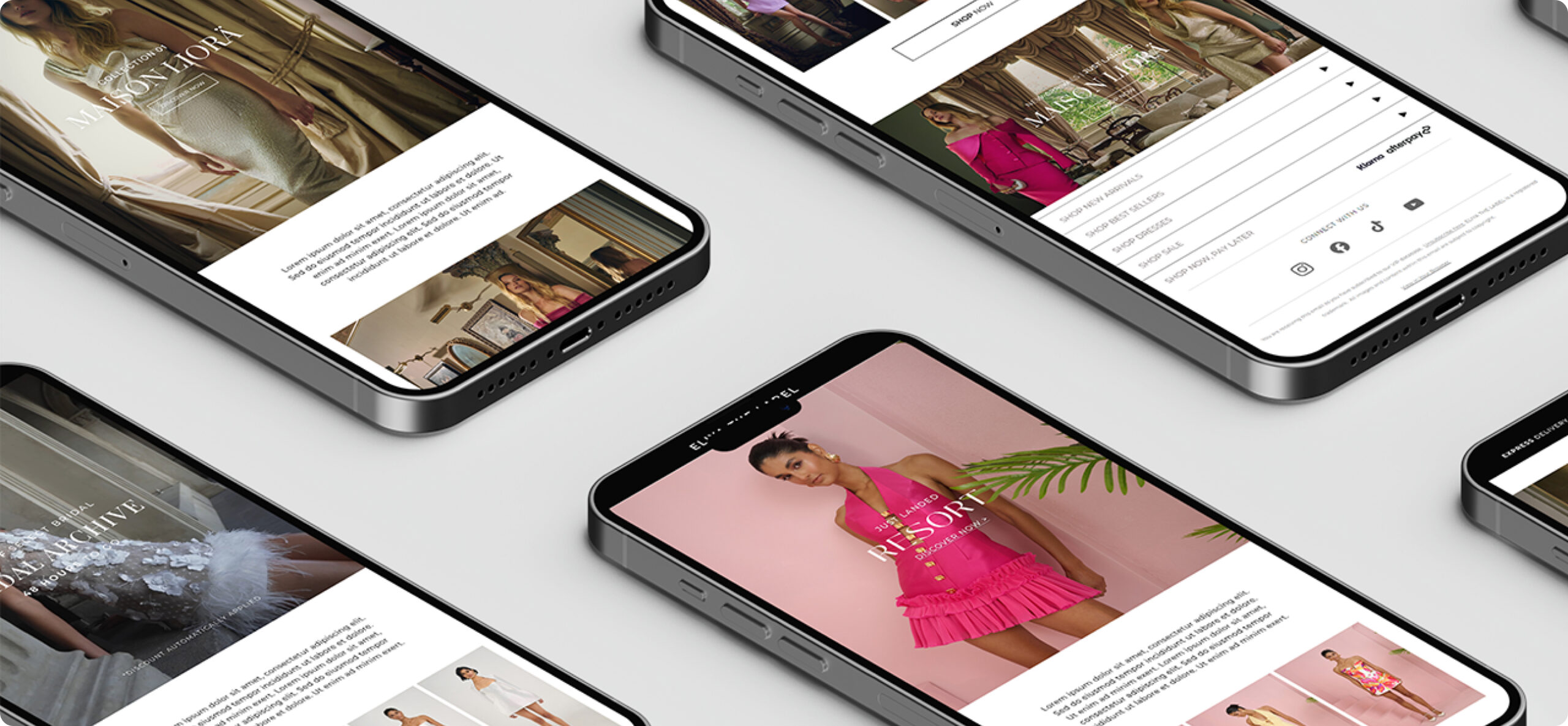
Eliya The Label faced a growing return rate driven by sizing uncertainty and mismatched expectations. We rebuilt their email strategy around UGC content, survey data, and PostCo integration to close the gap between what customers ordered and what they kept.

-8%

Lower return rate across a $10M–$20M fashion brand

13%

Higher email click rate after campaign design overhaul
Read Case Study
Client Name

Hedonism Wines

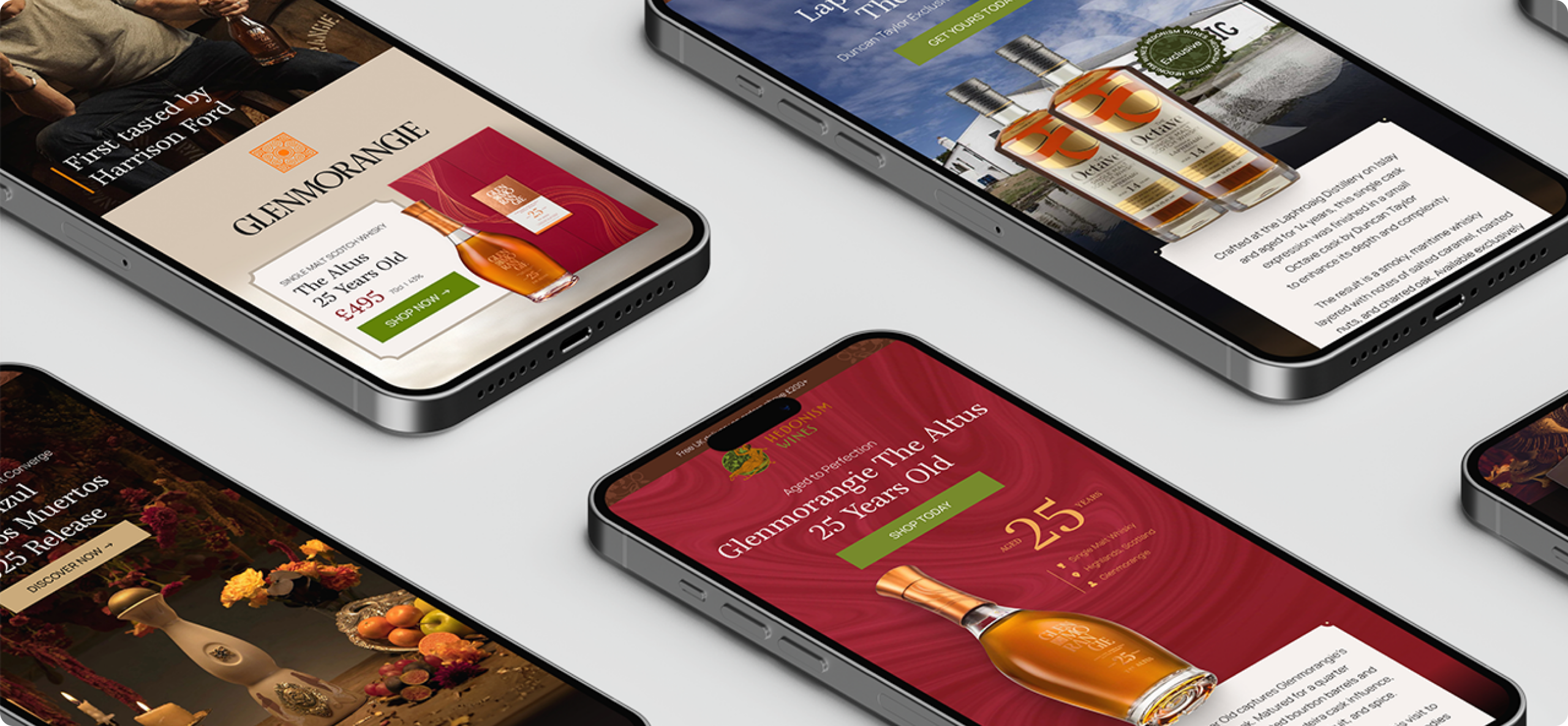
Hedonism Wines had a 100,000+ subscriber list sitting on Mailchimp with no segmentation — a broadcast tool, not a revenue channel. We migrated to Klaviyo, rebuilt deliverability from scratch, and turned email into their top performing revenue channel in under six months.

79%

Average open rate after deliverability recovery

+500%

Attributed email revenue growth in 6 months
Read Case Study
Client Name

Voden Filters

It turns anonymous traffic into identifiable customers by capturing intent and creating clear, usable customer profiles.

$2M

It turns anonymous traffic into identifiable customers
28%

It turns anonymous traffic into identifiable customers

Read Case Study
Client Name

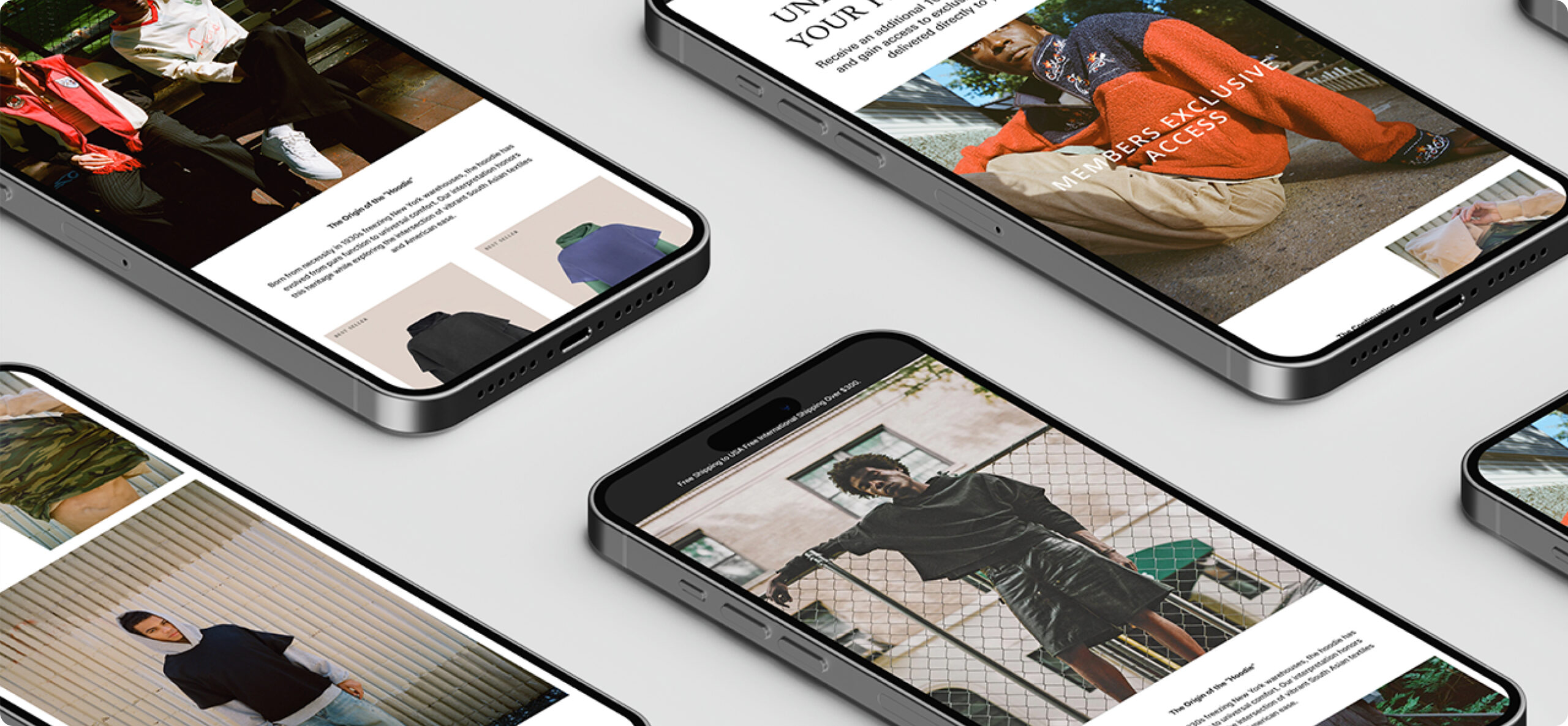
FOUND

It turns anonymous traffic into identifiable customers by capturing intent and creating clear, usable customer profiles.

52%

It turns anonymous traffic into identifiable customers

4x

It turns anonymous traffic into identifiable customers

Read Case Study
Client Name

Join Our List

Practical retention strategies we implement for our clients, shared weekly!

Thank You!

Check your email, resource is on it's way! If you don't see it, check Spam (shame on us - but it is new account)