
Email marketing & retention for
Sports & Outdoors
Turn a first gear purchase into confident use, relevant accessory purchases, and a lasting relationship beyond the next season.










your biggest
challenges
GEAR GOES UNUSED
Customers may need help with setup, fit, care, or choosing the right conditions for use. Practical post-purchase guidance helps them get value before the next sales message arrives.
BUYING CYCLES FOLLOW THE SEASON
Equipment demand can depend on weather, events, and personal plans. Segment by activity and geography where provided, and align campaigns with the customer’s context rather than a universal calendar.
DURABLE PRODUCTS RARELY NEED REPLACING
A tent or bike accessory is not a monthly consumable. Build the next purchase around compatible accessories, maintenance needs, and genuine progression instead of artificial replenishment.
IRRELEVANT RECOMMENDATIONS
A trail runner and a family camper have different priorities. Use category interest, owned gear, and experience level to guide recommendations and suppress incompatible products.
We Solved
This Before
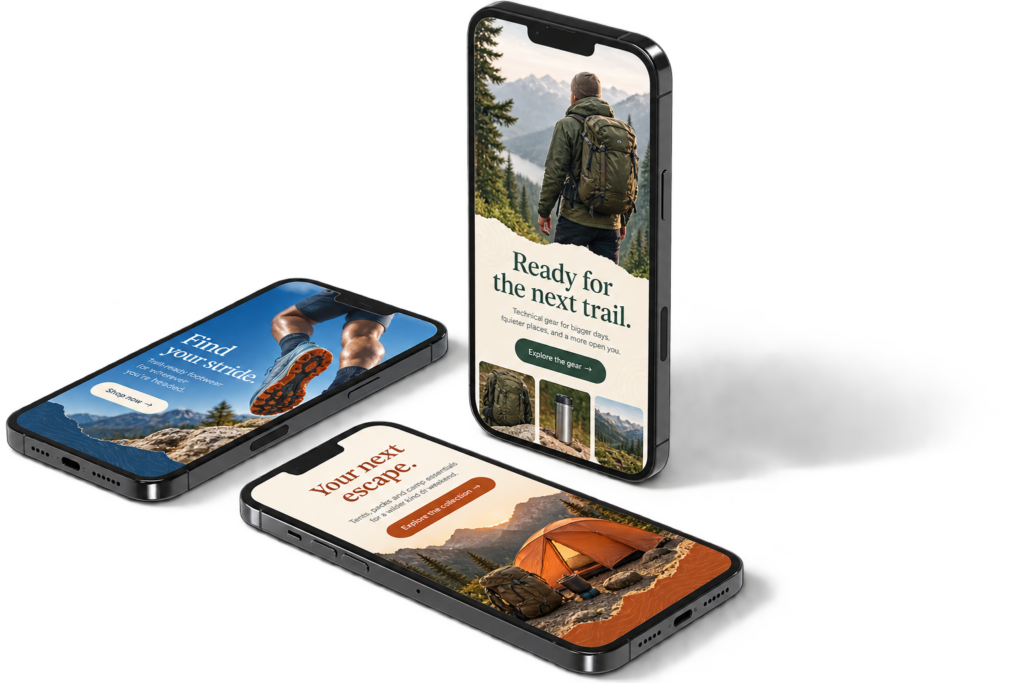
Give the next outing a reason to happen. A camper who knows how to pitch and care for a tent has more reason to return for a useful accessory. The sports and outdoor email concepts illustrate this approach: connect product guidance, activity inspiration, and relevant gear around what the customer plans to do.
our Process
Research & Discovery
Separate equipment ownership from buying season. We examine which activities customers shop for, the gear they already own, accessory purchases, and seasonal order patterns. Setup questions and returns help identify where uncertainty stops customers getting value from their equipment.
Activities
Activity & Product Mix Review
Gear Ownership Data Audit
Seasonal Purchase Analysis
Accessory Compatibility Review
Setup & Care Content Audit
First-to-Next Order Analysis
Deliverability & Data Audit
Outputs
A view of how buying cycles differ by sport and product durability.
Usable activity and ownership data for recommendations.
Identified setup, care, and seasonal communication gaps.
A roadmap for supporting product use and the next relevant purchase.
Customer Journey Workshops
Map the journey around the activity. From choosing suitable gear to preparing for the first trip, we identify where fit, setup, weather, or missing equipment creates friction. That gives each message a job: answer a question, help someone get outside, or complete a practical kit.
Activities
Activity-Based Journey Mapping
Fit & Setup Friction Review
First-Outing Support Mapping
Seasonal Engagement Planning
Care & Maintenance Journey
Compatible Cross-Sell Review
Outputs
A customer journey from choosing gear to using and maintaining it.
Mapped questions around fit, setup, and activity readiness.
A seasonal plan grounded in customer activity and market context.
Defined opportunities for compatible accessories and future use cases.
Implementation & Execution
Turn owned gear into useful guidance. A tent purchase can lead to pitching and storage advice, followed by a packing checklist with compatible accessories. Activity preferences and customer-provided location help shape seasonal campaigns.
We separate care messages from sales recommendations and exclude products the customer already owns. New-season communication picks up the activity they showed interest in.
Activities
Activity Preference Capture
Gear Setup & Care Flows
Seasonal Campaign Planning
Compatible Accessory Journeys
Post-Outing Feedback Flows
Category Cohort Tracking
Outputs
Activity-led segments and product-specific guidance.
Seasonal campaigns coordinated with customer interests.
Accessory recommendations tied to owned equipment.
A baseline for repeat orders across realistic category buying windows.
Continuous Optimization
Measure progress beyond a single season’s sales. We review accessory purchases by owned gear, repeat buying across seasons, and response to setup or care content. Tests compare useful checklists, activity ideas, and campaign timing, with margin guiding which offers deserve more space.
Activities
Seasonal Timing Experiments
Gear Education Content Tests
Accessory Relevance Review
Activity Segment Analysis
Next-Order Cohort Review
Margin & Revenue Tracking
Outputs
Evidence on which seasonal moments and messages drive action.
More relevant accessory and maintenance communication.
Clear decisions on activity segments and content priorities.
A next-test plan based on category behavior and margin.
SPORTS & OUTDOORS
CUSTOMER LIFECYCLE MAP
Ownership is the start of the relationship. Help the customer prepare, use the gear confidently, and care for it afterward. Their next trip, new activity, or maintenance need creates a natural opportunity to return.
BEEN THERE DONE THAT
Why should
you care?
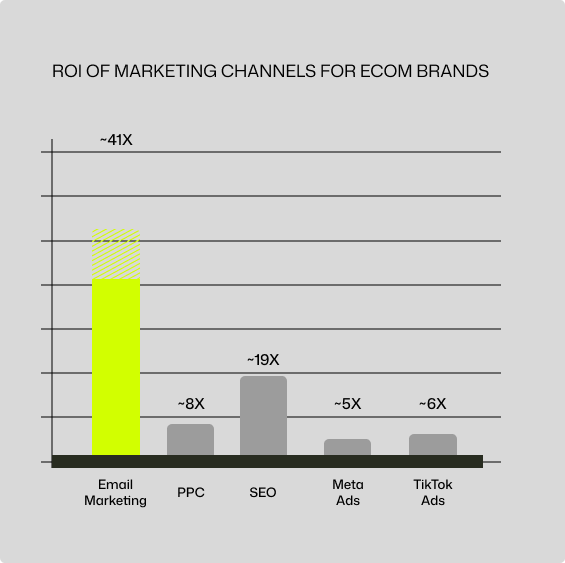
We firmly believe that brands who don’t invest in retention channels won’t survive the next two years.
Durable gear creates a long ownership relationship. Setup guidance, care advice, and activity ideas keep your brand useful between purchases. Compatible accessories and next-season preparation can create additional orders while preserving the value of the equipment already owned.
ECOMMERCE
CLIENT RESULTS
Results from Retention Side’s wider eCommerce portfolio. The dashboards below show self-tanning, supplement, and jewelry accounts, plus an eCommerce account overview.
For sports and outdoor brands, the relevant questions are seasonal demand, accessory purchases, and return visits between trips.


Who this is/ISN’t for
Strong retention needs the right foundation. We work best with brands that are ready to treat retention as a growth system, not another marketing channel.
STRONG FIT
1. BRANDS WITH A PROVEN ACQUISITION ENGINE
You already understand your audience, know how to acquire them consistently, and are investing in bringing new customers into the business. That gives retention something meaningful to build on.
2. WILLING TO IMPROVE THE FULL FUNNEL
You understand that every retention channel eventually sends customers somewhere. If the website, landing page, offer, or checkout is holding performance back, you are willing to improve it.
3. TEAMS THAT KEEP CHALLENGING THEMSELVES
You are comfortable testing assumptions, questioning what worked before, and changing direction when customer behaviour says something different. Good retention gets better through constant learning.
NOT A FIT
1. RETENTION BEFORE ACQUISITION
If the brand is still below roughly $100k per month and struggling to acquire customers consistently, retention is rarely the first problem to solve. A healthy retention system starts with a steady flow of qualified first-time buyers.
2. SET-AND-FORGET MENTALITY
Retention needs ongoing learning, accurate product information, and a team willing to act on customer feedback. A set-and-forget approach makes the system less relevant as products and customers change.
3. COMFORT OVER PROGRESS
If past decisions are treated as permanent and every new idea has to fit the existing way of working, optimisation eventually stops. The strongest brands stay attached to the outcome, not the old solution.
Before working with Retention Side, most of our growth came from paid ads. When ads were performing, things looked good. When they weren’t, cash flow got tight pretty quickly. Over the past months, our repeat customer rate moved close to 40%, and that changed how the business feels. Revenue is still seasonal, but it’s far less stressful.

Founder · Beauty & Skincare
Nevena Komazec
Frequently Asked Questions
How do you retain customers who buy long-lasting outdoor equipment?
Support successful use, care, and maintenance first. The next useful order may be a compatible accessory or equipment for another activity, rather than a replacement. Evaluate repeat behavior over the product’s real buying cycle.
How should email campaigns follow sports and outdoor seasons?
Plan around the customer’s activity and the market you serve, using stated preferences where available. Coordinate preparation, in-season guidance, and post-season care rather than sending the same seasonal message to every customer.
What belongs in a post-purchase gear flow?
Relevant fit or setup instructions, care guidance, access to support, and a feedback request once the customer has had a chance to use the product. Follow-up recommendations should reflect the equipment purchased and verified compatibility.
How do you avoid recommending the wrong accessories?
Use product ownership and a verified compatibility catalog where available. Separate activities and exclude incompatible or already purchased items. When the data is missing, guide customers to a selector or support instead of guessing.
How do you measure repeat buying outside the peak season?
Compare activity and product cohorts over equivalent seasonal windows. Look at next-order rate, accessory purchases, full-price revenue, and margin, while distinguishing durable gear from products that are naturally replenished.